



23 October 2026
Color is one of the first things people notice in a design. Before reading the text or understanding the message, viewers often form an impression based on the colors used. This is why understanding color psychology is an important skill for every graphic designer.
How Colors Influence Emotions
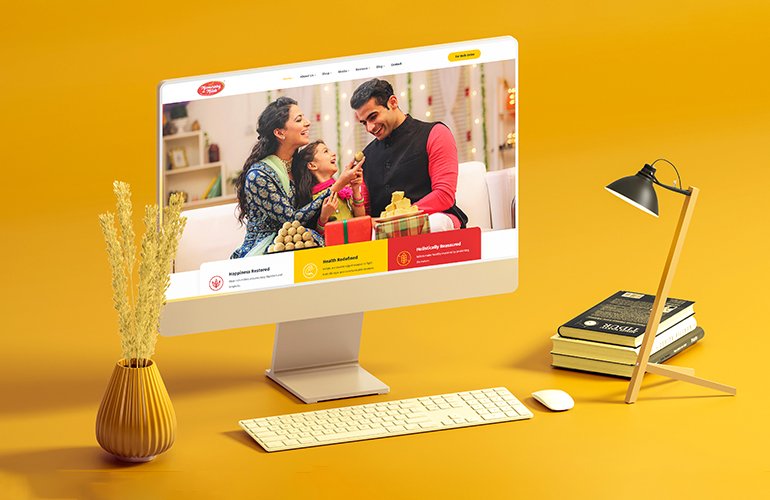
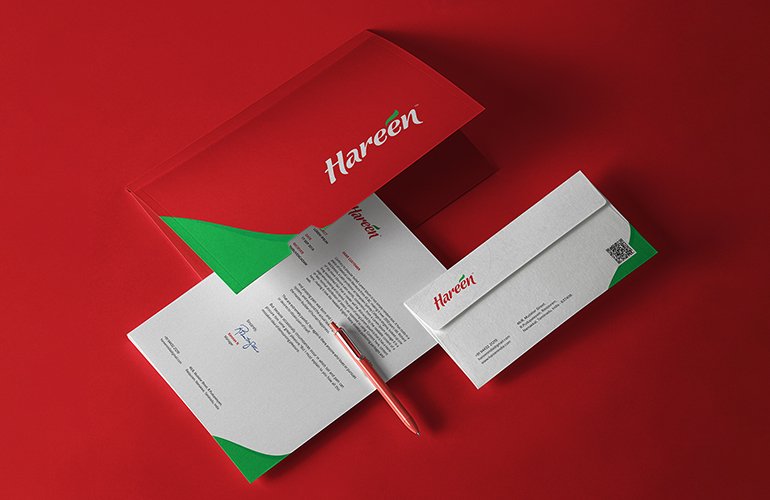
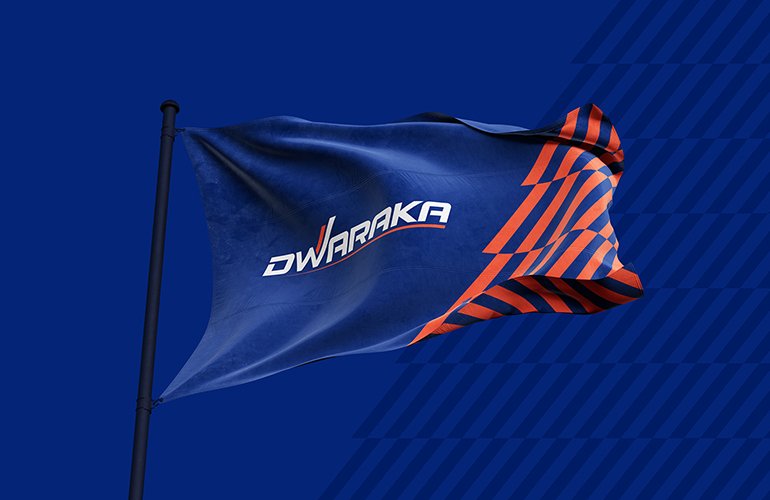
Different colors can create different emotional responses. Red can suggest energy and urgency, while blue often gives a sense of trust and professionalism. Green is commonly associated with nature and growth, whereas yellow can create a feeling of happiness and optimism. Designers need to choose colors based on the message they want to communicate.
Choosing Colors for Branding
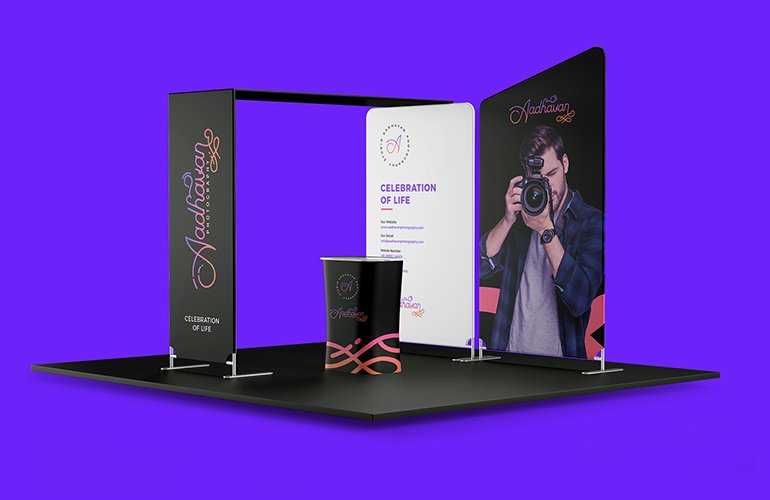
A good color palette can make a brand easier to recognize. Graphic designers consider the brand personality, target audience, industry, and overall communication before selecting colors. Consistent use of colors across logos, social media posts, websites, and advertisements can create a stronger visual identity.
Color and Visual Hierarchy
Colors can also guide the viewer’s attention. A contrasting color can highlight a button, headline, offer, or important information. Using too many strong colors, however, can make a design look confusing. Balance and contrast are essential for creating a clear visual hierarchy.
Learn Graphic Design with Practical Skills
Understanding color psychology is just one part of becoming a skilled graphic designer. Students who want to build a career in design can develop their creative and technical skills through practical projects and professional guidance. Choosing the best graphic design institute in Chennai can help beginners learn design principles, software, branding, and real-world design techniques.
FAQs
1. Why is color psychology important in graphic design?
It helps designers communicate emotions and messages through visual elements.
2. Which color is best for professional designs?
Blue is commonly used for professional designs because it can communicate trust and reliability, but the right choice depends on the brand.
3. Can colors affect a customer's decision?
Yes. Colors can influence attention, emotions, brand perception, and purchasing decisions.
4. How many colors should a graphic design use?
There is no fixed number, but using a limited and well-balanced color palette usually creates a cleaner design.
5. Is color psychology important for graphic design students?
Yes. Understanding color helps students create more effective branding, advertising, social media, and digital designs.