


22 December 2025
Branding in 2026 is very different from what it used to be. It’s no longer just about having a good logo, attractive colors, or a catchy tagline. Today, branding is about how people experience your business and how clearly they understand who you are.
With more brands competing for attention and people scrolling faster than ever, businesses don’t get much time to make an impression. That’s why branding now focuses less on decoration and more on clarity, consistency, and connection.
Let’s look at what’s changing and what businesses should really be paying attention to in 2026.
Branding Is About the Entire Experience
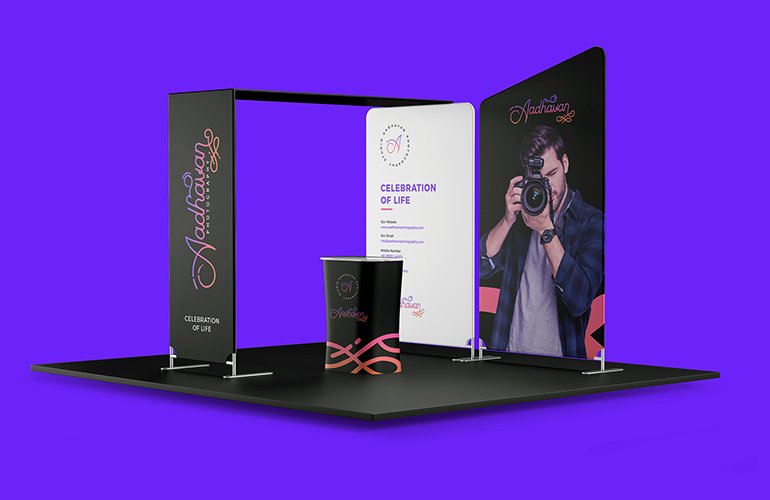
People don’t interact with brands in one single place anymore. They see them on Instagram, websites, ads, packaging, emails, and even in customer support conversations. All these moments shape how a brand is remembered.
In 2026, branding is about making sure all these touchpoints feel connected. If your visuals look premium but your website feels confusing, or if your social media tone doesn’t match your brand personality, people notice. Even small inconsistencies can reduce trust.
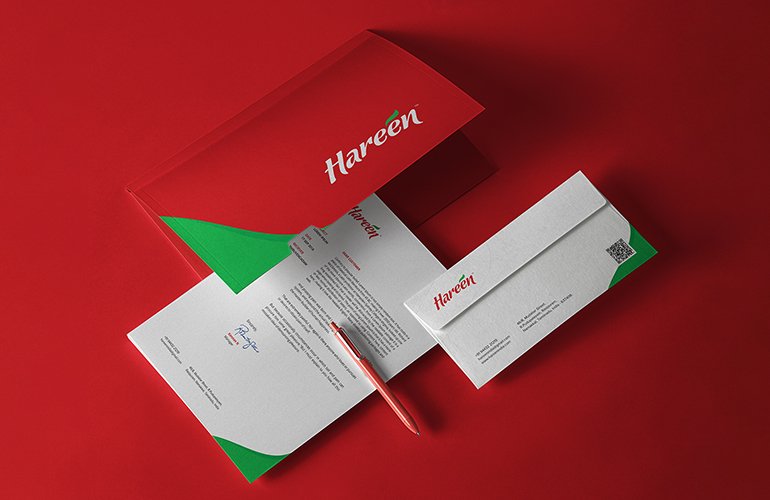
Strong brands focus on creating a smooth, familiar experience everywhere. When someone interacts with your brand, it should feel like the same voice, the same mindset, and the same intention, no matter the platform.
Visual Design Needs Meaning, Not Just Style
Good design still matters, but it now has a clear job to do. Chasing trends without understanding why often leads to branding that looks good today and feels outdated tomorrow.
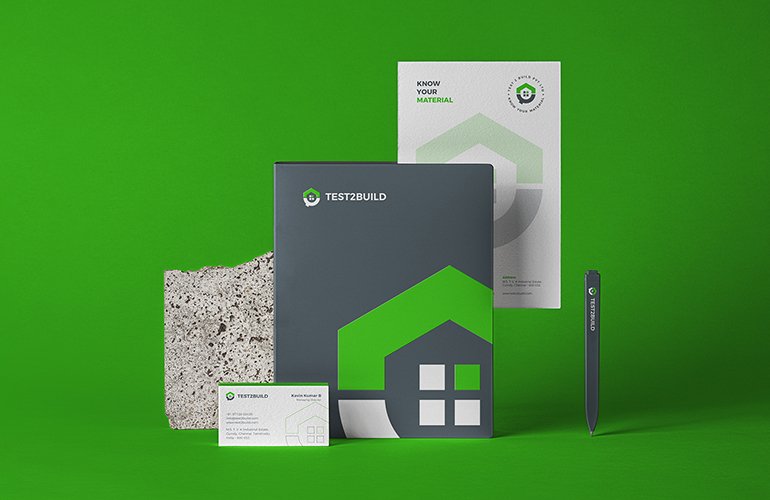
In 2026, successful brands build flexible visual systems. This includes colors, typography, layouts, and imagery that can adapt easily across digital platforms. The goal is not to impress but to communicate clearly and stay recognizable.
Design choices should answer simple questions. Does this help people understand the brand faster? Does it feel consistent across platforms? If the answer is no, the design needs rethinking.
People Want Brands That Feel Real
Audiences today are more aware and selective. Over-polished messaging and generic promises don’t create the same impact they once did. In fact, they often feel distant or untrustworthy.
In 2026, brands that communicate honestly and simply stand out more. This means using clear language, realistic visuals, and messaging that reflects how the business actually works. People connect better with brands that feel human rather than perfect.
Being transparent, consistent, and approachable helps build long-term trust. When brands speak like real people and show genuine values, they create stronger emotional connections.
Strategy Comes Before Design
One of the biggest shifts in branding is the focus on strategy. Design alone can’t fix unclear messaging or weak positioning. Before visuals come into play, businesses need to understand who they are and who they’re talking to.
Branding in 2026 starts with clarity. Businesses need to define their purpose, audience, tone of voice, and core message. Without this foundation, even the best-looking design won’t make much impact.
This is why modern branding agencies spend more time thinking, researching, and planning before designing. Strategy gives direction. Design brings that direction to life.
Digital-First Is Now the Standard
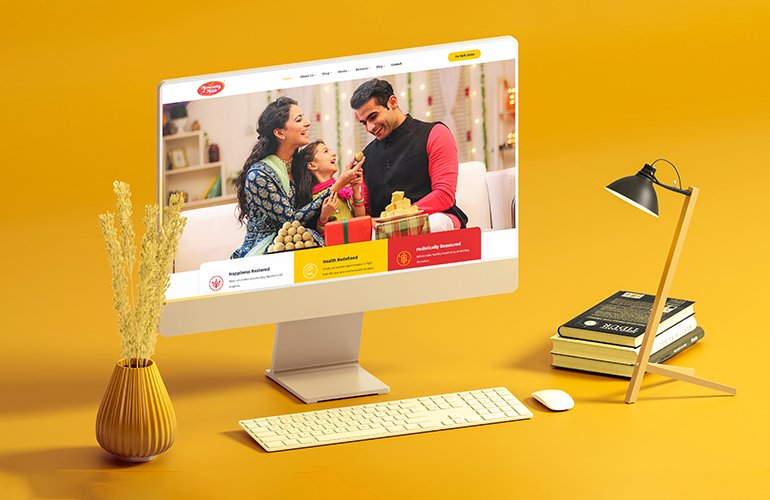
Most brand interactions today happen on screens. Logos need to work at small sizes, layouts need to adapt to different formats, and content needs to feel natural on digital platforms.
Brands that still design mainly for print struggle to stay relevant. In 2026, digital-first branding is not optional. It’s expected. From social media posts to websites and apps, branding must be flexible, responsive, and easy to navigate.
Digital-first branding also means thinking about how people scroll, click, and interact. Good branding considers user behavior, not just appearance.
Branding Is an Ongoing Process
Branding used to be treated as a one-time project. Today, it’s an ongoing process that grows with the business. As audiences change and platforms evolve, brands need to adapt while staying true to their core identity.
In 2026, strong brands review and refine their branding regularly. They listen to feedback, observe how people interact with their brand, and make thoughtful updates when needed.
This approach helps businesses stay relevant without losing their identity.
What Businesses Should Focus on Now
To stay competitive in 2026, businesses should:
Clearly define who they are and what they stand for
Maintain consistency across all platforms
Invest in branding that balances clarity and creativity
Work with teams that understand real-world branding, not just design trends
Branding is no longer about looking different for the sake of it. It’s about being understood, trusted, and remembered.
Branding in 2026 is about clarity, experience, and connection. Businesses that understand this shift won’t just attract attention, they’ll build lasting relationships with their audience.
At Branzone, we believe strong branding starts with clear thinking and real understanding. When strategy and design work together, brands don’t just look good, they work better.